EPS impact liner
Expanded polystyrene crushes during impact, slowing head deceleration instead of passing force straight to the skull.
The helmet
The research points to a specific product requirement: certified impact protection, child sizing, very low weight, and tropical airflow. The helmet has to answer the crash physics and the parent's real concerns at the same time.
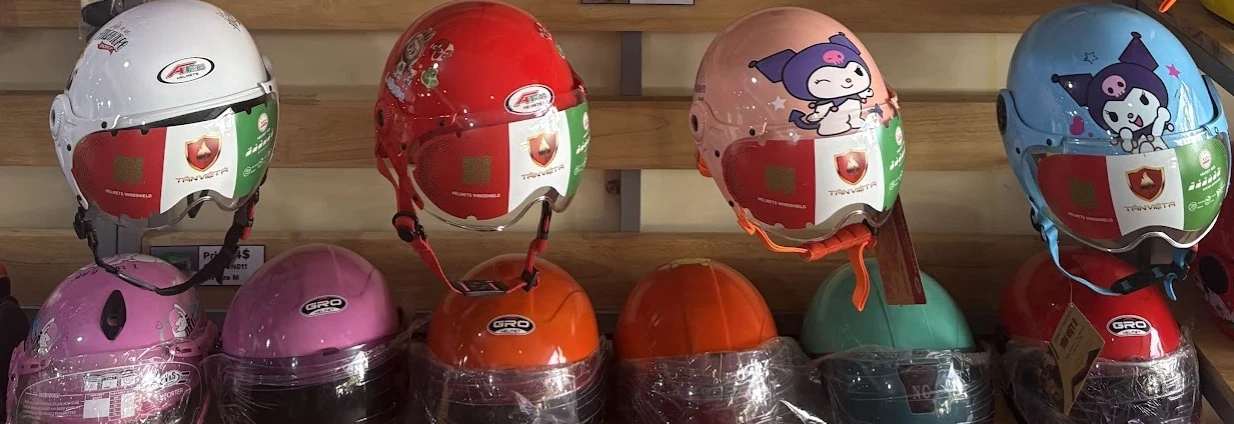
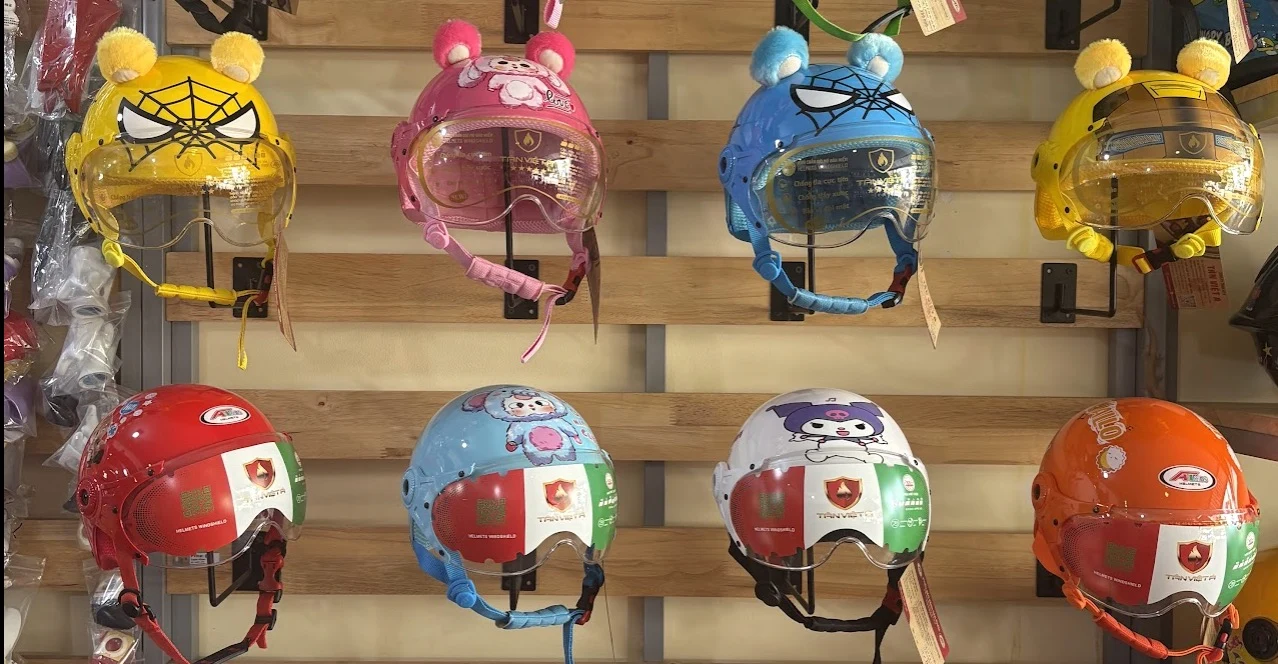
The helmet
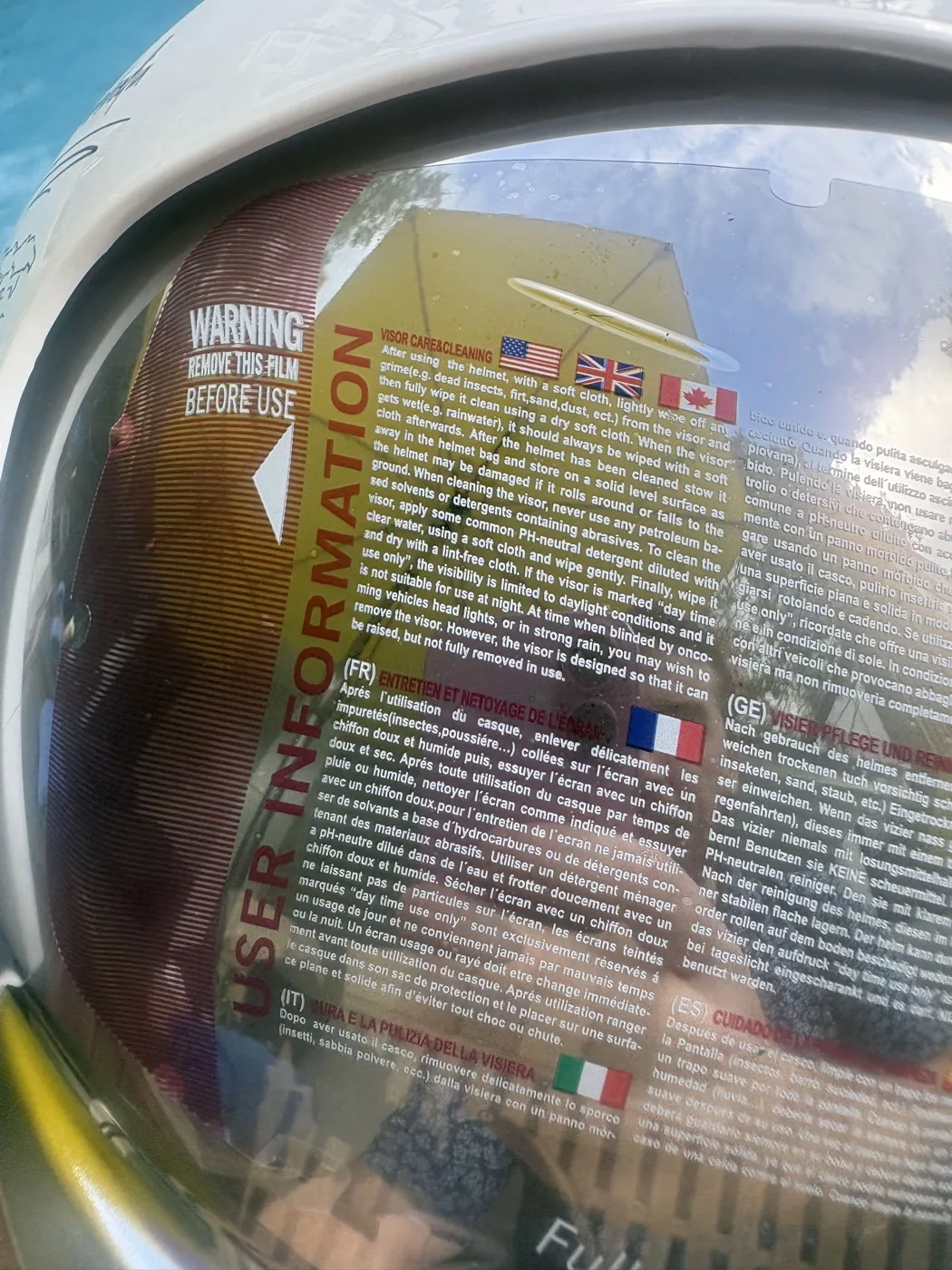
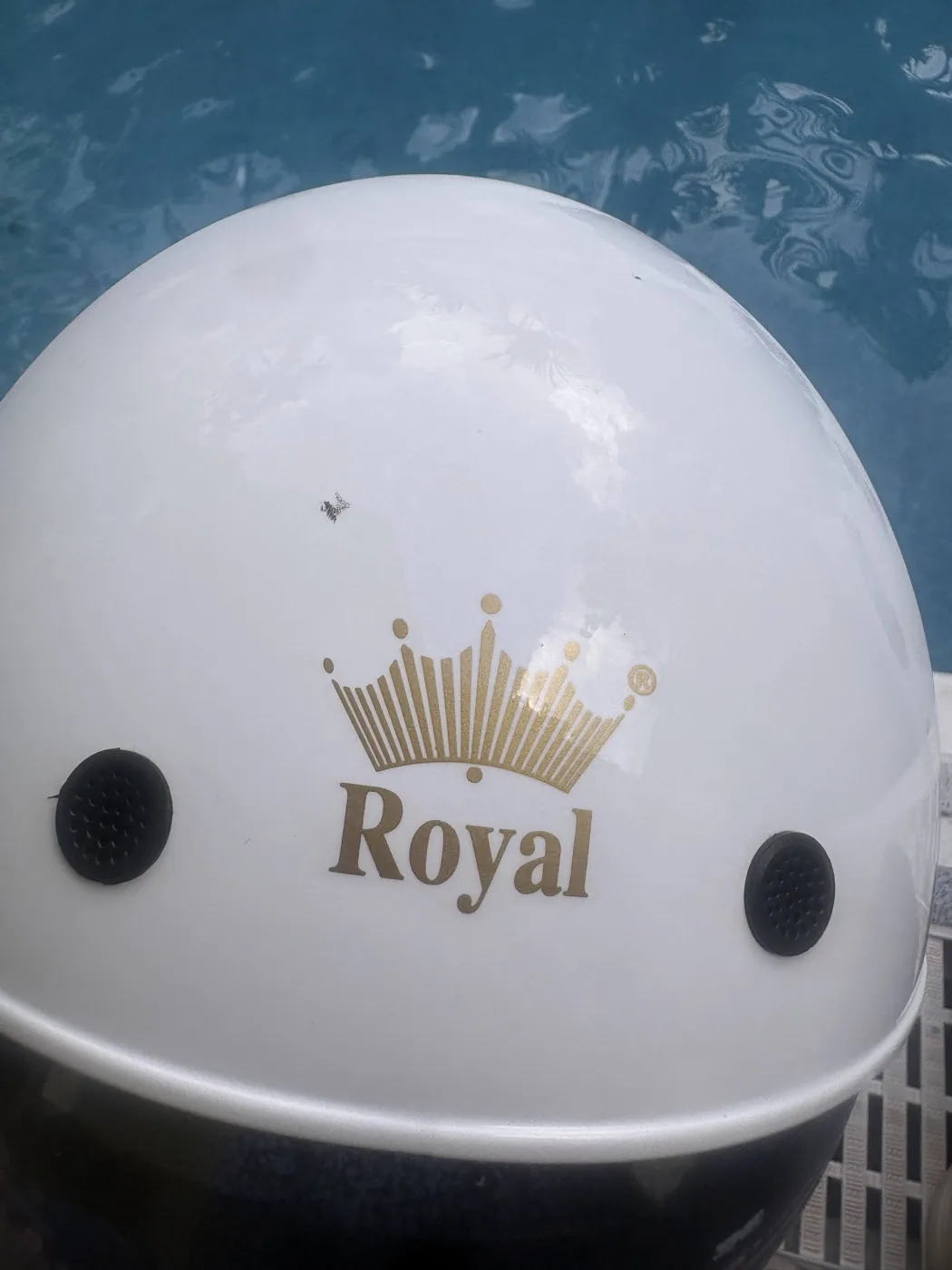
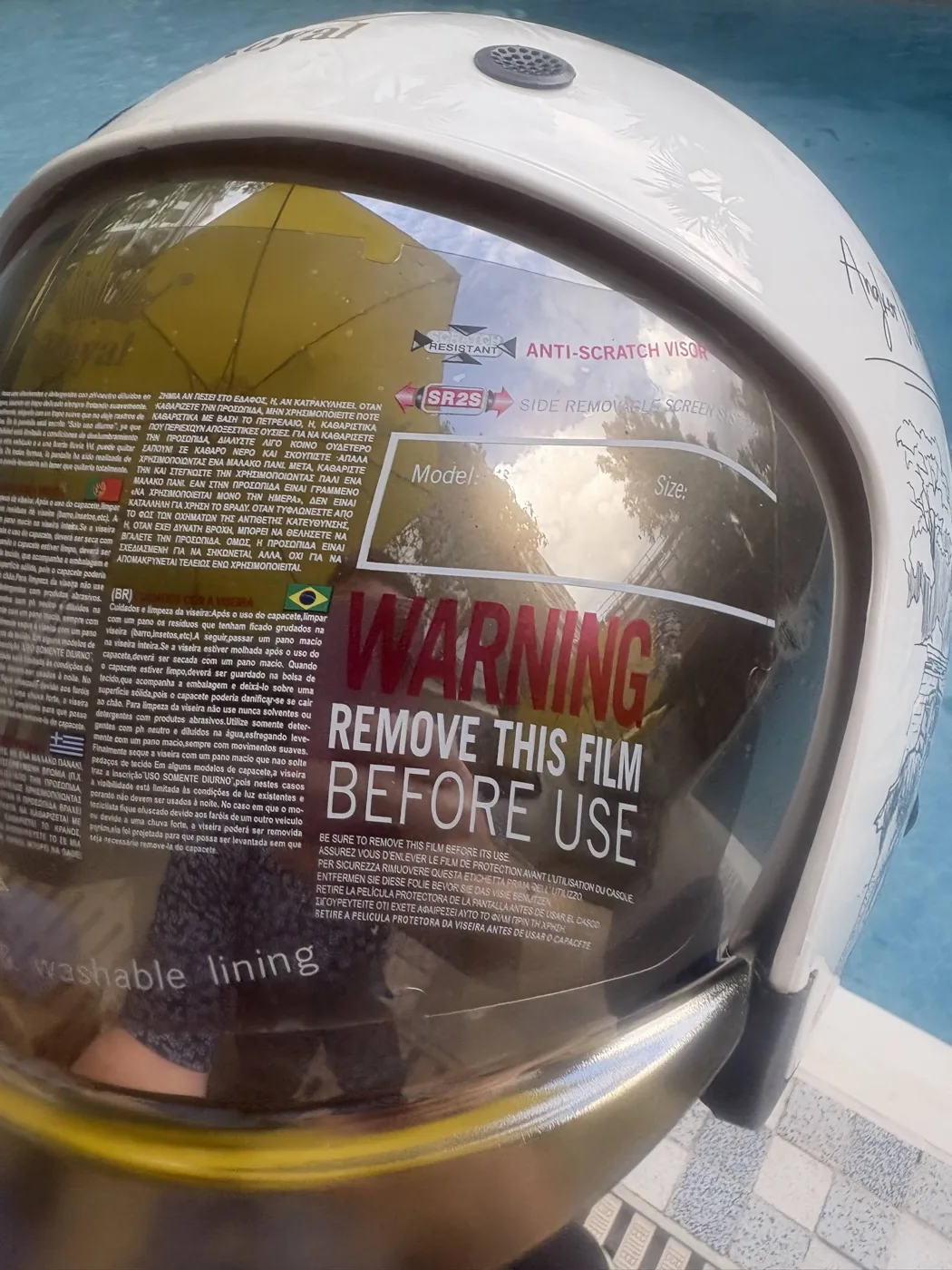
The Royal helmet the program targets is a certified child helmet — not a fashion cap. It carries multi-language safety documentation, a structured EPS liner, and a retention system designed to stay on through a real crash, not just a short trip.
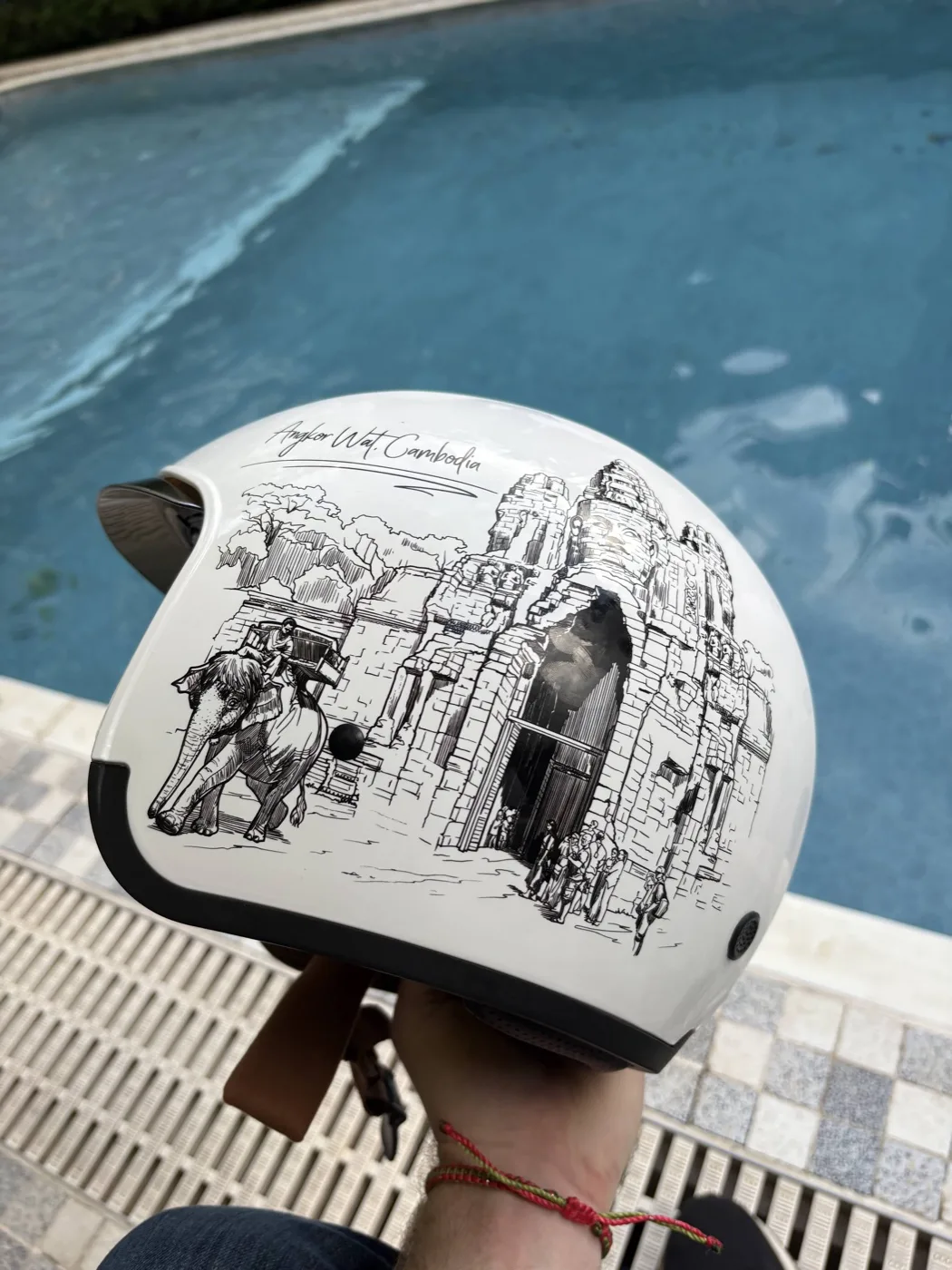
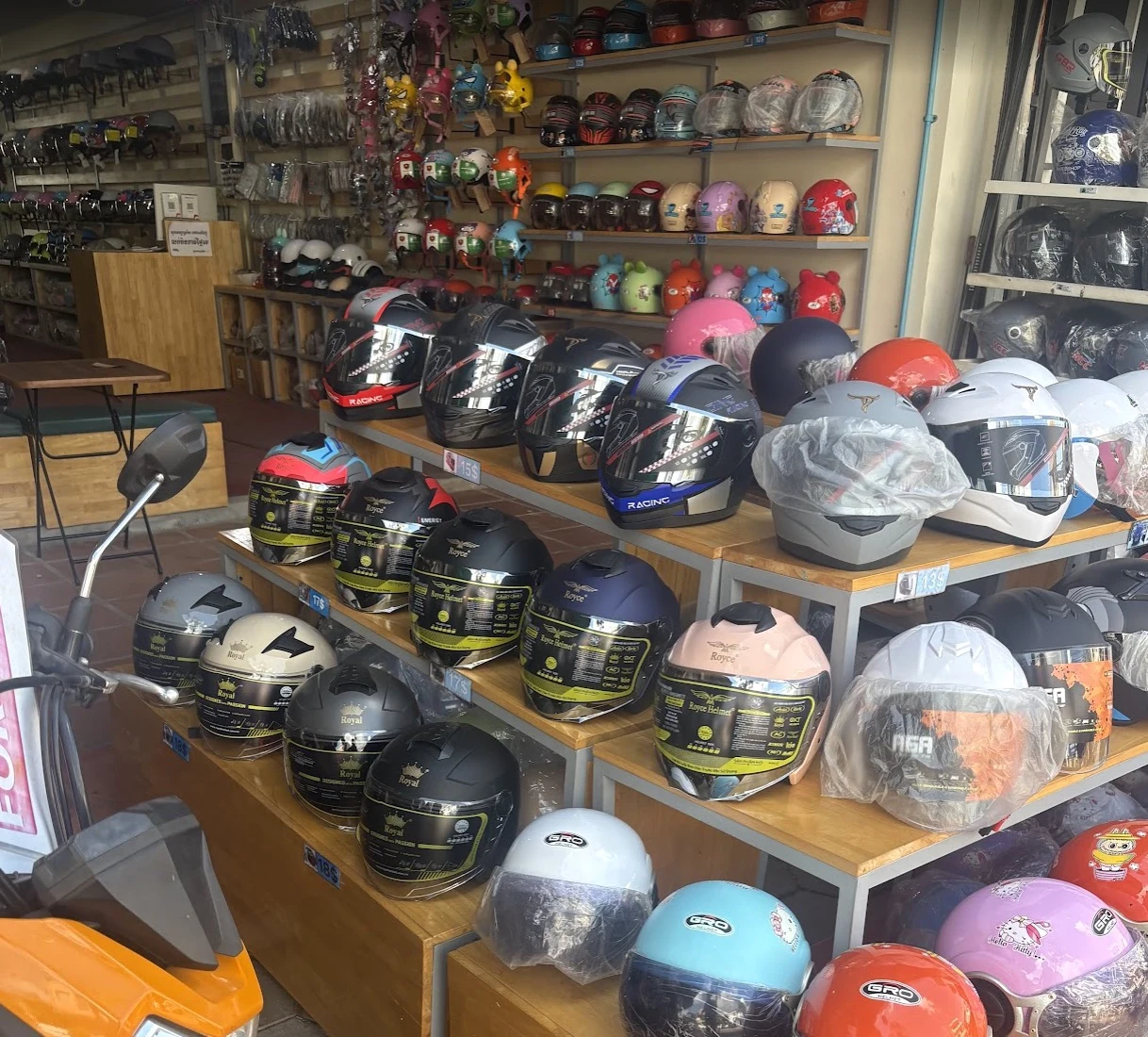
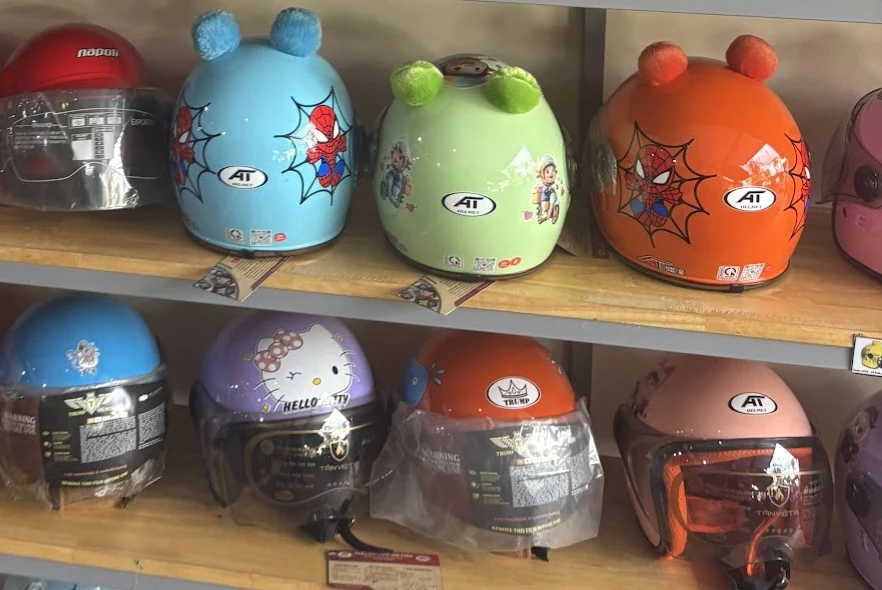
Expanded polystyrene crushes during impact, slowing head deceleration instead of passing force straight to the skull.
Passive intake and exhaust channels are a compliance feature in 35C heat, not a luxury.
The plan targets around 280g for small sizes, subject to supplier confirmation and certification review.
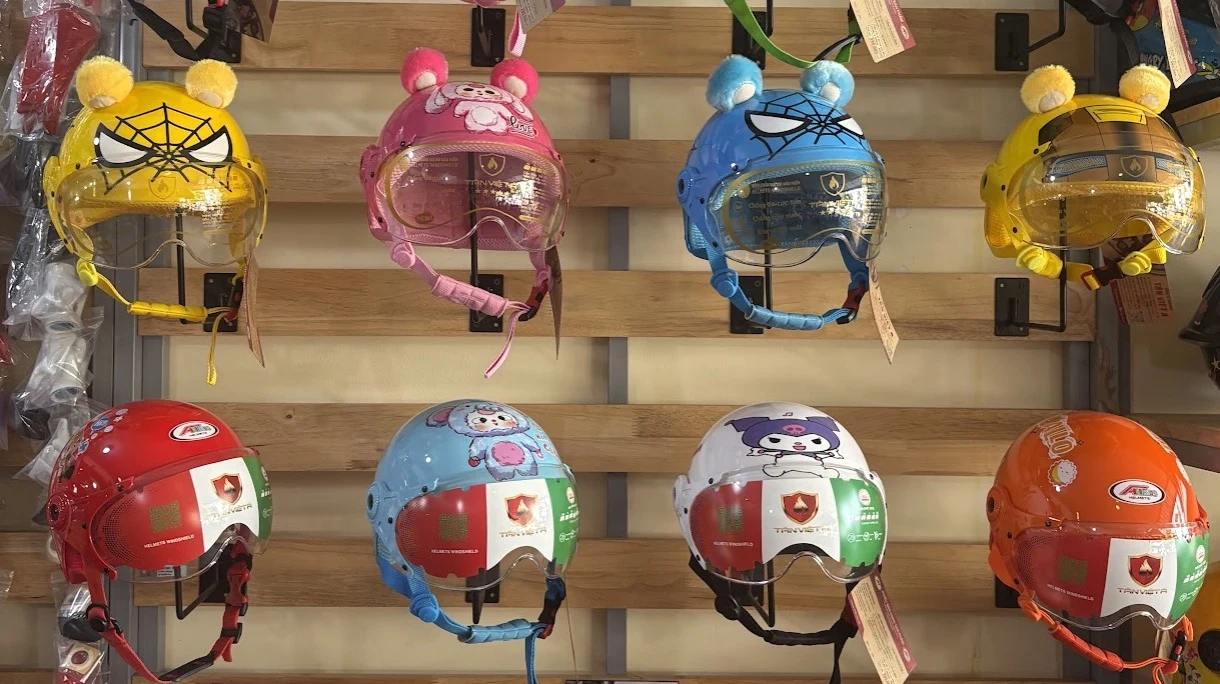
The program differentiates certified child helmets from thin fashion caps that look protective but can fail in real crashes.
Parent questions
Donor money becomes more powerful when the product itself solves the barriers: heat, neck strain fears, skull-growth myths, poor fit, and replacement cost as children grow.
A certified child helmet is designed for a child's anatomy. The program avoids adult-weight helmets and uses fitting sessions to keep the helmet stable and comfortable.
No. A helmet rests externally and does not stop natural skull growth. The education module explains this simply during parent workshops.
The sourcing criteria prioritize vented tropical designs because heat is one of the main reasons children remove helmets.
The mission is clinical protection, not the appearance of safety. Certified helmets include energy-absorbing liners and secure retention systems.